 |
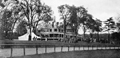
The Country Club
|
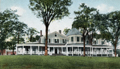 |
The Country Club, 1908
|
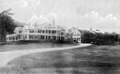 |
The Country Club, 1920
|
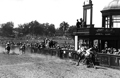 |
The Country Club, Horse Racing, 1926
June 17th, 1926, second race. Jenny Dean wins over Millenium.
|
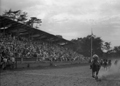 |
The Country Club, Horse Racing
|
 |
The Country Club, Aerial View
[Source: Olmsted]
|
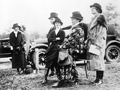 |
Horse Races, circa 1930
The women, especially Mrs. Cabot, appear to be wearing riding outfits with matching bowler hats. The event is unidentified but is probably at The Country Club. From left to right:
- Olivia Ames Cabot (1893-1978). In 1927, she married Henry Bromfield Cabot Jr. who grew up on Heath St.
- Abigail Adams Homans (1879-1974), the seated woman in the multi-colored coat. She was the great-great-granddaughter of President John Adams and named after his wife. In 1907, she married Robert Homans, a lawyer, and they lived in Boston.
- Constance Wharton Smith (1894-1965), standing woman on the right. She was to married Henry St. John Smith and lived in Portland, Maine. By 1930 she was divorced and living in Boston with her two children.
|
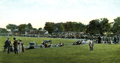 |
The Country Club, Horse Racing
|
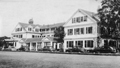 |
The Country Club, 1940s
|
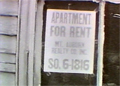 |
Video: The Farm Prior to Redevelopment, circa 1958
This film was created by the Brookline Redevelopment Authority to promote the replacement of the neighborhood known as “The Farm”. The film shows both exterior and interior scenes intended as a counterpoint to the new housing units of the Brookline Housing Authority, notably the one on nearby High Street built in 1948-49, designed by Richmond & Goldberg.
[Source: Brookline Preservation Department]
|
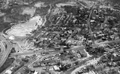 |
"The Farm", 1958, Piror to Urban Redevelopment
Most of the center of the photo was razed in the early 1960s as part of an urban renewal program. The core area was known as "The Farm".
|
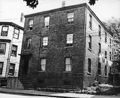 |
28 Flora St.
Razed for the Brook House complex.
|
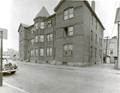 |
10-12 Morss Ave.
Lower Washington St. is to the left.
[Source: Brookline Preservation Department]
|
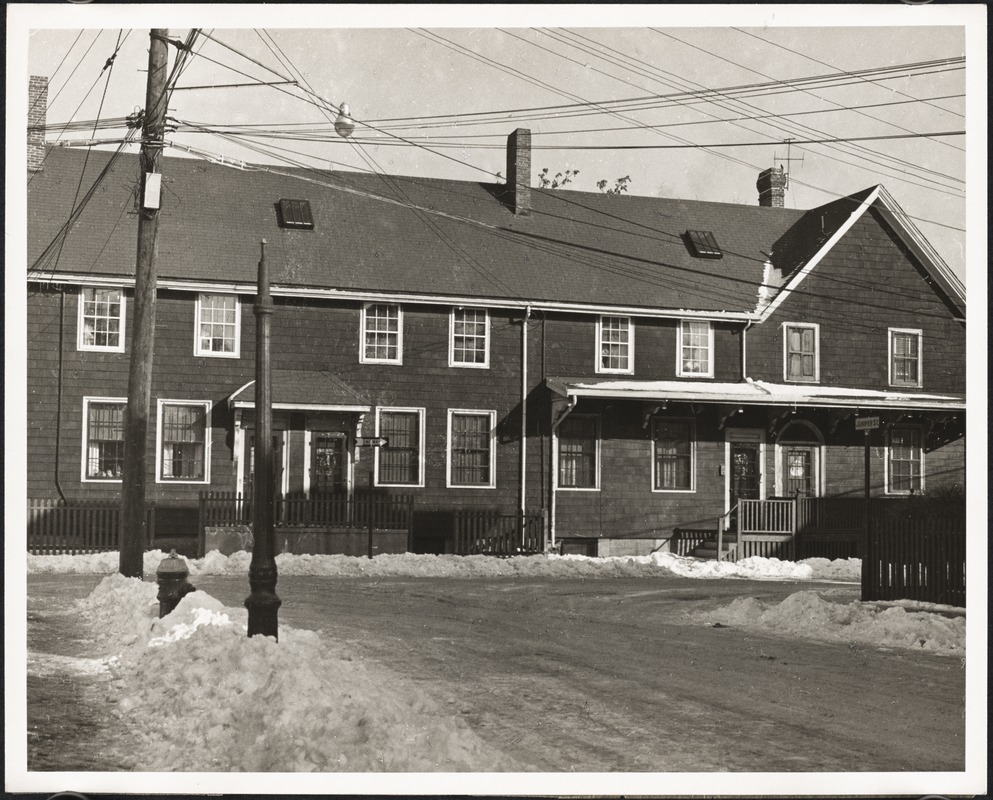 |
14 - 20 Morss Ave.
Looking north from Juniper St. at the boarding houses of 14, 16, 18, 20 Morss Ave.
[Source: Digital Commonwealth]
|
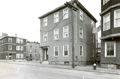 |
Houses on Morss Ave.
From left to right:
- 33 Villa Lane, on the northwest corner with Morss Ave.
- Villa Lane
- Vacant lot on the northeast corner of Villa Lane and Morss Ave., formerly 46 Morss Ave
- 48 Morss Ave.
- 185 Pond Ave., partial view
[Source: Brookline Preservation Department]
|
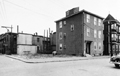 |
48 Morss Ave.
Villa Lane going north is on the left. On the right is the vacant lot on the northeast corner of Villa Lane and Morss Ave., formerly 46 Morss Ave, followed by 48 Morss Ave. and a partial view of the side of 185 Pond Ave.
[Source: Brookline Preservation Department]
|
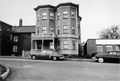 |
43 Pond Ave.
Looking west, Lower Washington St. is to the right.
[Source: Brookline Preservation Department]
|
 |
Pond Ave., 1956
Looking southwest from Lower Washington St. Ten years after this photo was taken every structure in the foreground of the photo had been demolished as part of an urban renewal project.
[Source: Digital Commonwealth]
|
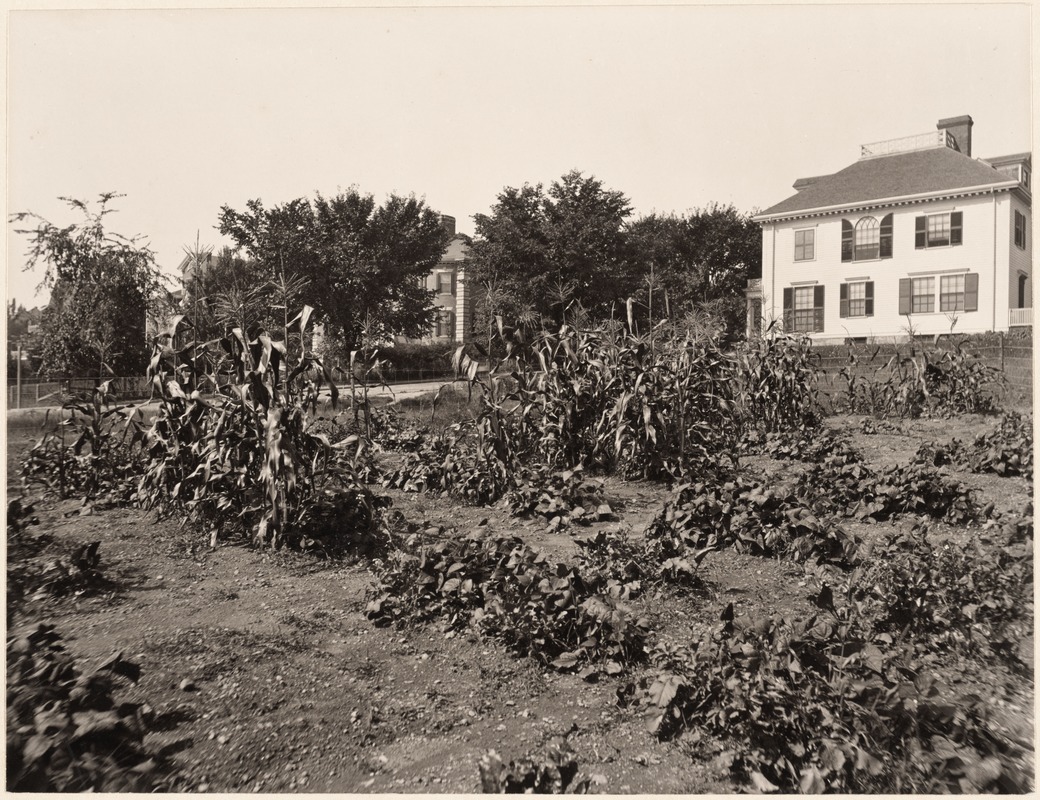 |
Parsons School Gardens, 1903
Looking west toward Allerton St. from the northwest corner with Pond Ave. On the right, the side of 58 Allerton St., later the house of famed singer Roland Hayes, is viewed. On the left is the rear of 4 Hawthorn Rd., both houses are still standing.
The gardens were part of a town-wide program to enhance the learning experience of students. As with the Lincoln and Sewall schools, the gardens were planted on land loaned by private landowners. In this case, the land was loaned by the Brookline Riverdale Land Association.
[Source: Digital Commonwealth]
|
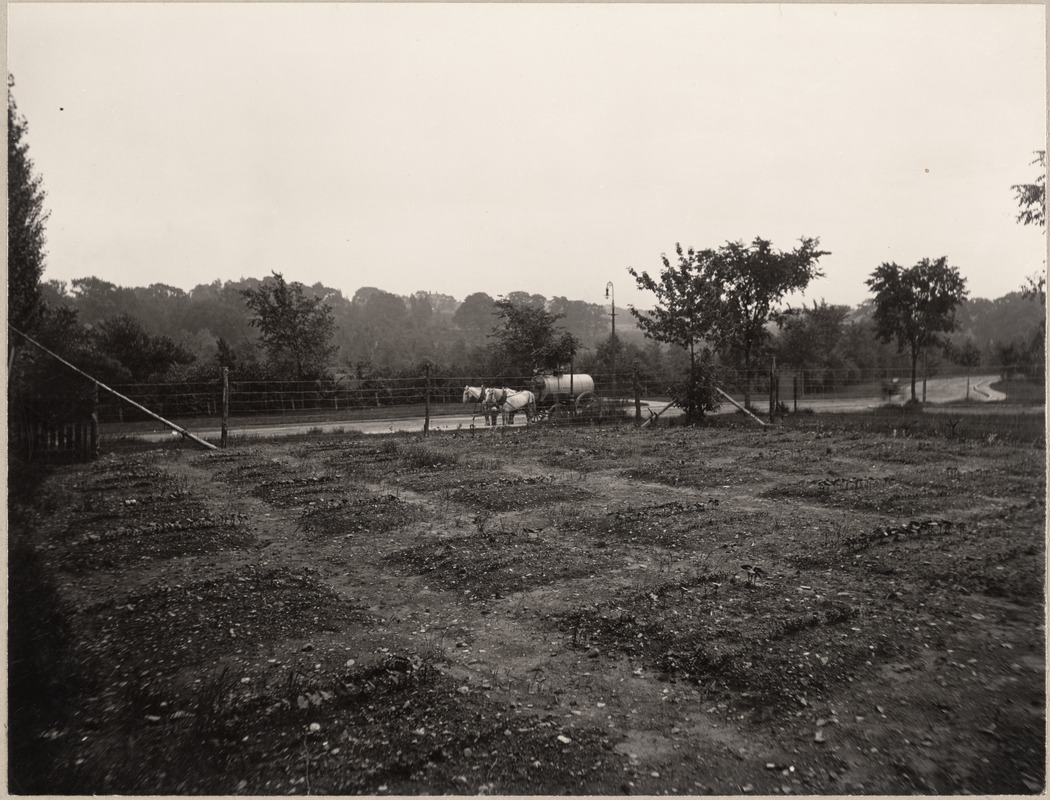 |
Parsons School Gardens, 1903
Looking toward Pond Ave., Allerton St. is on the right. The gardens were part of a town-wide program to enhance the learning experience of students. As with the Lincoln and Sewall schools, the gardens were planted on land loaned by private landowners. In this case, the land was loaned by the Brookline Riverdale Land Association.
In a serendipitous coincidence, the photo includes the only known view of a street-sprinkling wagon being filled with water. The cart was operated by Chester W. Reed who had a contract with the town to water the dirt roads. The water-feeder pole can be viewed by the middle section of the wagon.
[Source: Digital Commonwealth]
|

 The Society
 Program Archives